%2520v2.webp&w=375&q=75)
A Simple Way to Find Local E-Waste Recycling Centers
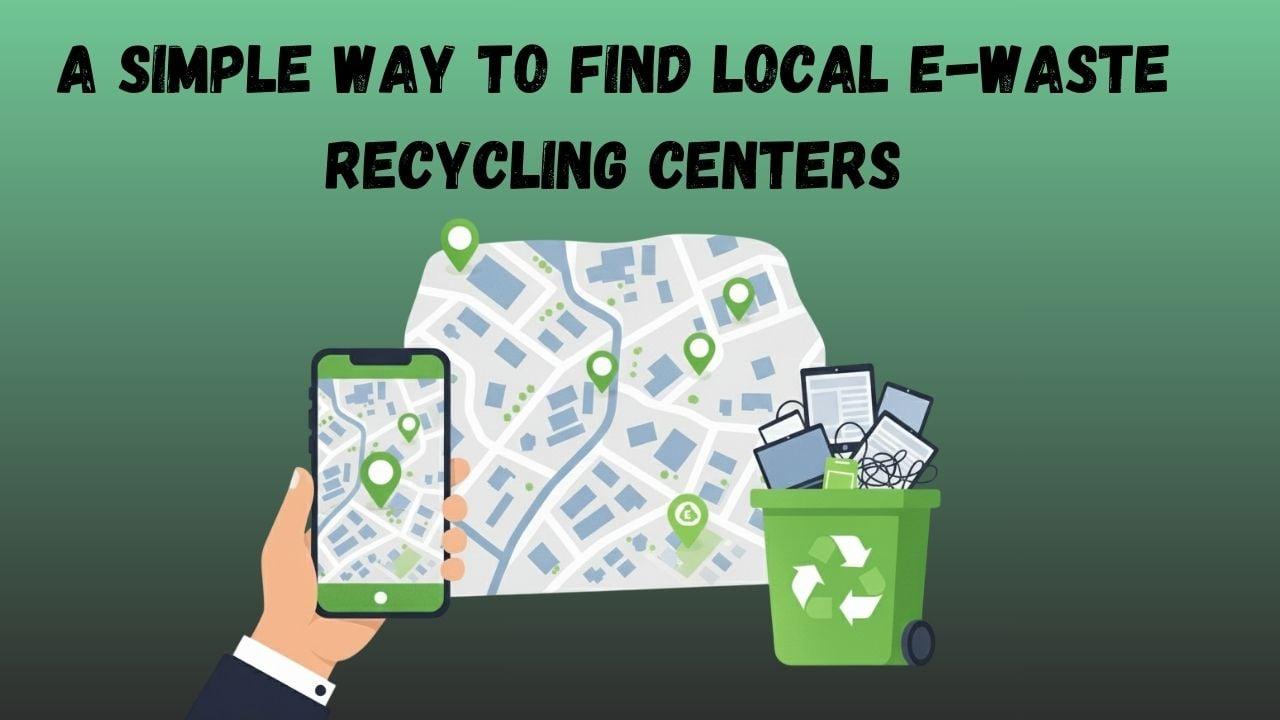
A drawer full of forgotten smartphones that no longer work, cables with frayed ends, and computers too slow to use. These sit unnoticed, stacking up without thought. Yet each piece adds to a swelling global tide. Discarded electronics pile higher every year, faster than almost any other trash. When they end up buried or burned, poisons seep into soil and water. Breathing in fumes from melted wires can damage the lungs over time. That mess in your closet? It connects to rivers far away, to cities where children sort through piles by hand.
Finding trustworthy spots to drop an old smartphone isn't always straightforward. These places break down devices carefully and stick to tough eco-rules when handling materials. Yet many folks hit the same wall spotting one nearby who actually follows through on their promises.
A closer look at each part reveals what happens behind the scenes when choosing a **refurbished smartphone**, because smart choices often start with simple habits. One way to see progress is by tracking where old phones land after they leave your hands, showing just how much small steps matter. Following these pieces together paints a clearer picture of reuse and care without needing grand gestures. What counts most? Doing things differently, even if slowly.
Why certified e-waste recycling is important
Some folks who say they recycle aren't doing it right. A lot of small-time collectors handle old smartphones without proper care, resorting to practices such as setting wires on fire or using harsh chemicals to pull out metals. Those with official approval stick to strict rules meant to keep workers safe and reduce harm to nature.
Recovered metals - copper, gold, aluminum - come from correctly processed electronics. Toxic stuff like lead or mercury gets dealt with carefully at the same time. Mining fewer new resources becomes possible because of this shift. Damage to nature drops when used smartphones enter proper recycling paths instead.
People who value sustainable choices, or already back **refurbished smartphones** and secondhand tech, find that picking verified recycling services fits right into their habits
What does it mean for an e-waste recycler to be certified?
A green light from authorities means an e-waste recycler meets strict rules for handling old smartphones. Approval in India follows clear directions watched over by groups like the CPCB, along with local state boards focused on pollution control.
Certification usually means the recycler :
Follows safe dismantling and recycling processes
Maintains proper records of e-waste handling
Wiping phones or computers clean happens reliably. Smartphones get wiped thoroughly every time. Information vanishes completely after processing. Memory gets erased without leaving traces behind. Each machine loses its stored details fully
Fits within legal rules meant to protect nature, worker well-being comes into play alongside those standards, each requirement met without exception, a balance struck where both elements are held up equally
A warning sign shows up when certification proof isn't obvious to a recycler.
Find certified e-waste recyclers nearby
Start by checking what the government provides. You'll often find current details through pollution control agencies. Their directories usually include approved recycling spots. Better to trust these than internet pop-ups or word-of-mouth tips.
Look into what tech companies and stores offer. smartphones often go straight to approved recyclers through maker-led return plans. Refurbished phone dealers sometimes team up exclusively with licensed processors for proper handling.
Finding trustworthy recyclers might be easier when firms highlight their approach to reused smartphones and eco-friendly cycles. Startups talking straight about reuse methods often partner with certified processing centers instead of cutting corners.
Refurbished phones cut e-waste without needing recycling
A single refurbished phone on the market means another gadget stays out of landfills too soon. Testing happens first, then fixes if needed, followed by cleaning - only after that does reuse begin. Rather than breaking things down, people breathe new life into them. Sure, recycling matters; yet bringing old devices back to work hits harder.
A fresh chance for **old phones** begins where most assume their story ends. Instead of trashing them, giving smartphones another run cuts down waste naturally. Machines that work just fine deserve more time in action, not an early grave in recycling bins. Only when they truly fail should we break them down into raw parts.
What to consider before picking a recycler
What happens next might surprise you. Someone who knows their work will respond without hesitation, clear about every detail.
Start by asking if they can show written permission to collect smartphones. What happens to your data once it's handed over? Will there be a paper trail confirming pickup? A document proving proper recycling might come later. Small offices or single users alike should care - especially when old phones, computers, or tablets hold private info. Details like these tend to slip through until something goes wrong.
When a recycler dodges those questions or replies without clarity, searching somewhere else makes more sense.
Common myths about e-waste recycling
People often think tossing old smartphones into recycling costs money or takes too much effort. Actually, plenty of approved facilities will collect them at no charge, particularly if you are in a city. A few go further, and you'll hand over cash when businesses drop off large amounts of electronic junk.
It's wrong to think every device gets trashed when recycled. Some parts live on, passed to people who fix up old gear. One team pulls things apart, another gives them a second life. These efforts fit together, not fight each other. Machines get reused before they're finally broken down..
Choosing certified recyclers supports smarter tech habits
Thinking ahead matters more than ticking boxes. Picking reconditioned smartphones, passing on outdated tech the right way, then making sure disposal happens at approved spots, this is how people fuel reuse instead of waste.
Fixing smartphones instead of tossing them cuts pollution while saving money on smartphones. Slowly, this pushes companies to improve how they build and sell tech gear.
Conclusion
Spotting local e-waste recyclers with proper credentials? It's easier than most assume. A bit of attention, smart inquiries, and solid references - these guide responsible disposal. Smartphones often live longer when repaired first; seeing that option changes what happens next. Knowing this reshapes choices well ahead of tossing anything out.
One phone fixed at a time helps clear the air. Each smartphone turned in right keeps waste out of landfills. When phones go to verified recyclers, soil and water stay safer. Small actions add up without making noise. What seems minor today shapes tomorrow's world. Choices matter even when no one's watching.
Also Read: **Best Phones Launching in 2026: Complete Upcoming Smartphone List**
kishore
Content Writer at Ovantica